A leaking water heater at 9 p.m. is not just a repair request. For a rental owner, it can quickly become a question of resident safety, water damage, insurance documentation, vendor availability, cost approval, and follow-up. Effective rental property maintenance coordination brings order to those moments while also addressing the smaller issues that can become expensive if ignored.
For owners across Dallas-Fort Worth, maintenance is one of the most visible parts of rental ownership. Residents judge the quality of their home by how concerns are handled. Owners feel the impact in repair costs, property condition, lease renewals, and the amount of time they spend responding to calls and messages. A clear process protects both the home and the relationship with the resident.
What Rental Property Maintenance Coordination Really Includes
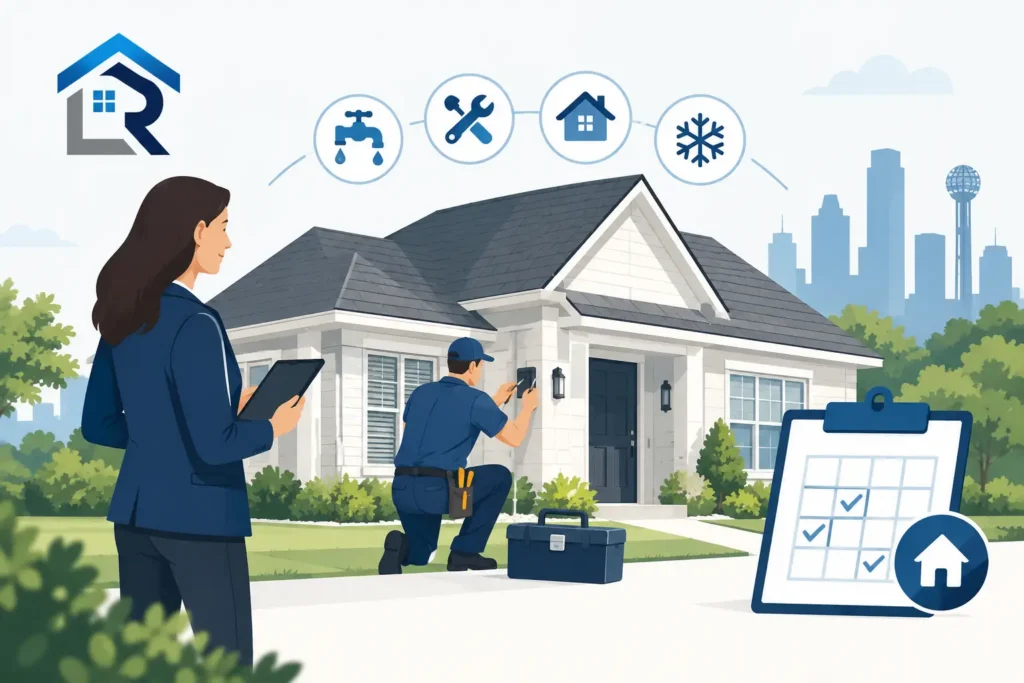
Maintenance coordination is more than passing a repair request to a contractor. It is the process of receiving the concern, determining the appropriate response, communicating with the resident and owner, assigning a qualified vendor, monitoring the work, and documenting what happened.
The details matter. A resident may report that the air conditioning is not cooling well. The coordinator needs enough information to understand whether the system has stopped working, whether there is an urgent habitability concern, and whether simple troubleshooting may help. If a vendor is dispatched, the owner should receive clear information about the issue and anticipated cost when approval is needed. Once work is completed, the job should be checked, recorded, and communicated back to the appropriate parties.
That level of oversight helps avoid common problems: duplicate service calls, unclear repair authorization, delayed resident responses, unfinished work, and invoices that do not match the original issue. It also creates a usable maintenance history for the property.
A Good Process Starts Before a Repair Is Needed
The best maintenance coordination is proactive. Some repairs are unavoidable, particularly as appliances and systems age. Others become more manageable when a property is inspected regularly and seasonal items are addressed before extreme weather arrives.
In North Texas, HVAC performance deserves close attention. Long summers put significant demand on air conditioning systems, while sudden cold weather can expose plumbing vulnerabilities. Roof drainage, exterior caulking, fence condition, sprinkler leaks, smoke detector batteries, and water heater age are also worth monitoring. A small drip beneath a sink or a loose exterior trim board may not feel urgent, but delaying attention can allow moisture, pests, or weather exposure to create a larger repair.
Preventative maintenance does involve an upfront expense, and not every owner will choose the same schedule or upgrades. The right approach depends on the property’s age, condition, systems, resident use, and investment plan. Still, making decisions with current information is usually better than discovering a preventable issue during an emergency.
Property inspections create useful context
Routine inspections are not about looking for reasons to create unnecessary work. They provide a practical snapshot of the home’s condition and can identify maintenance items that are easy to miss from a distance. This is especially valuable for out-of-area owners and investors with multiple homes.
Inspection findings should be specific and documented. An owner needs to know whether an item requires immediate repair, should be monitored, or makes sense to address during a future turnover. This helps prioritize spending rather than treating every observation as equally urgent.
Clear Communication Keeps Repairs Moving
Many maintenance delays are communication delays. A resident may submit a request without enough detail. A vendor may need access instructions. An owner may need to approve work above an established threshold. Without a defined process, each handoff adds time and frustration.
A coordinated system sets expectations from the beginning. Residents should know how to report routine and urgent concerns, what information to provide, and when they can expect an update. Owners should understand how repair approvals work, how emergencies are handled, and where they can review invoices and maintenance records.
Communication should also be practical, not excessive. Owners do not need a stream of messages for a minor repair that falls within agreed authorization guidelines. They do need prompt notice when a repair is significant, when the scope changes, or when a condition could affect the property’s value or resident safety.
For example, a garbage disposal replacement and a suspected slab leak require very different levels of coordination. Good management recognizes that difference. It gives routine requests an efficient path while escalating complex issues with the right information and urgency.
Vendor Management Is About Accountability, Not Just Availability
Finding someone willing to take a service call is not the same as managing a repair well. Reliable vendor relationships matter because maintenance often requires prompt scheduling, professional communication with residents, appropriate licensing or qualifications where applicable, and clear invoices.
At the same time, owners should understand the trade-off between speed, price, and certainty. The least expensive estimate is not always the best choice if it comes with delayed scheduling, unclear scope, or a repair that does not resolve the original problem. For larger work, comparing options may be appropriate. For an active plumbing leak or failed HVAC system during severe weather, moving quickly may be the more responsible decision.
A property manager’s role is to coordinate that decision-making process, not simply send an invoice after the fact. That includes confirming the reported issue, obtaining recommendations, communicating approval needs, and following up when the work is complete. It may also mean asking additional questions when a vendor recommends a major replacement rather than a repair.
Maintenance Records Protect the Investment Over Time
Every repair tells part of the property’s story. A well-organized record can show when an appliance was replaced, whether an HVAC issue has been recurring, what work was completed after a storm, and which improvements may need attention before a future sale or turnover.
These records are useful for budgeting, planning capital improvements, reviewing vendor performance, and understanding patterns. If the same bathroom has required repeated plumbing calls, for instance, the owner can evaluate whether isolated repairs are still sensible or whether a more complete solution is warranted.
They also help make turnover planning more efficient. When a resident gives notice, having current maintenance history makes it easier to identify likely repairs, coordinate vendors, and prepare the home for the next leasing cycle. No process can eliminate every vacancy day, but preparation reduces avoidable delays.
Where Self-Managing Owners Often Get Stuck
Most self-managing landlords can handle an occasional repair. The challenge is consistency when requests arrive during work hours, travel, weekends, or family commitments. A maintenance issue rarely appears at a convenient time, and coordinating several moving parts can take more time than owners expect.
Common pressure points include deciding whether an issue is urgent, finding a dependable vendor on short notice, obtaining access, tracking approvals, and confirming that the repair was completed correctly. There is also the risk of responding too slowly to a small issue that later causes greater damage.
Owners who live outside DFW face an added layer of difficulty. It is hard to assess a report from another state, meet a contractor at the home, or verify work in person. Local coordination and property oversight can provide needed visibility without requiring the owner to manage every call remotely.
Building a Maintenance Plan That Fits the Property
A useful maintenance plan begins with the home itself. Consider the age and condition of major systems, known repair history, landscaping and exterior needs, seasonal risks, and the owner’s preferences for repair authorization. A newer property may need a lighter preventative schedule than an older home with original systems, but both benefit from organized records and clear response procedures.
Set reasonable approval guidelines before a problem arises. Discuss how emergencies will be addressed, how owners receive updates, and when multiple estimates may be appropriate. This reduces uncertainty when decisions need to be made quickly.
It also helps to think beyond the next repair. If an aging water heater, roof, or HVAC system is approaching the end of its expected service life, planning for a possible replacement gives the owner more options than waiting for a failure. The goal is not to replace items prematurely. It is to avoid being caught without information or a process.
Direct Realty coordinates maintenance with a focus on responsive communication, preventative oversight, and clear documentation for rental owners throughout DFW. The purpose is straightforward: keep the property cared for, keep residents informed, and help owners spend less time managing repair details.
A rental home does not need to be problem-free to be well managed. It needs a dependable process when problems arise, along with regular attention that makes costly surprises less likely.