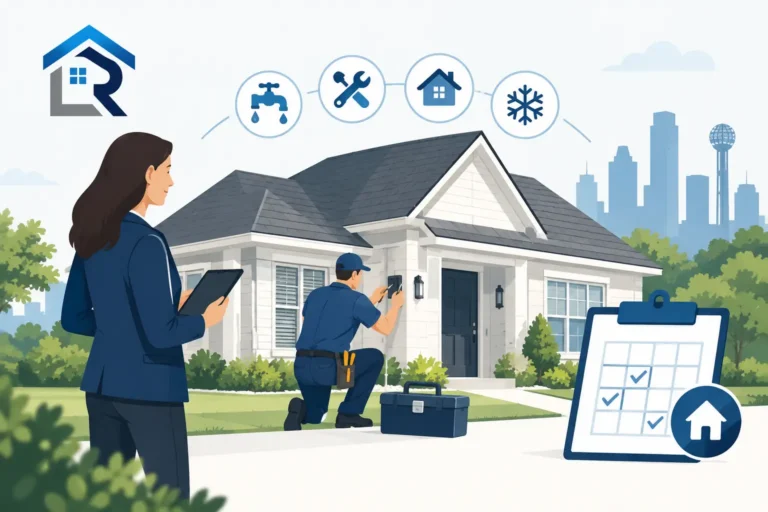

A vacant rental does more than pause rent payments. It can create a chain of expenses: utilities continue, lawn care still needs attention, minor maintenance issues can worsen, and every extra week makes the property harder to carry. Learning how to reduce rental vacancy starts with treating leasing, maintenance, and resident communication as connected parts of one operating plan, not separate tasks to address only when a tenant gives notice.
For DFW rental owners, the goal is not to rush into the first available application or keep a property occupied at any cost. It is to consistently attract qualified applicants, prepare homes quickly, support good residents during their tenancy, and make thoughtful decisions when a lease is ending.
Start Before the Current Lease Ends
The best time to prevent a vacancy is while the home is still occupied. Waiting until a resident has moved out to ask about renewal, inspect the property, or begin planning repairs creates unnecessary downtime.
A clear renewal process should begin well ahead of the lease end date. This gives the resident time to consider their plans and gives the owner time to prepare if they intend to move. If a resident plans to renew, document the terms promptly. If they plan to leave, schedule an appropriate pre-move-out walkthrough and begin coordinating the next steps.
This early communication matters because turnover has a sequence. The home may need cleaning, paint touch-ups, carpet treatment, landscaping, repairs, photography, and marketing. Knowing the likely move-out date lets you schedule those tasks rather than discovering them one at a time after the keys are returned.
Make Renewals Worth Considering
Keeping a qualified resident is often less expensive than turning over a property. That does not mean every renewal should be accepted without review. Owners should consider payment history, lease compliance, property condition, current market conditions, and whether updated lease terms are appropriate.
Residents are more likely to renew when the home is well maintained and communication is respectful. A leaking faucet that sits unresolved for weeks may seem minor, but small frustrations can influence whether someone wants to stay. Responsive maintenance is not simply a service issue. It is a vacancy-reduction strategy.
Price for the Market You Have, Not the One You Want
Overpricing is one of the most common reasons a rental sits longer than expected. A property may receive online views but few inquiries, or inquiries may not convert into showings. In other cases, prospective residents tour the home but select a comparable property that offers better value.
Rental pricing should reflect the home’s condition, location, layout, amenities, and the competition available at that specific time. DFW is a large market, but it is not one rental market. Conditions can vary between Grapevine and Frisco, or between two neighborhoods only a few miles apart. Seasonal demand and the number of comparable homes available can also affect leasing activity.
Owners sometimes focus on achieving a higher monthly rate while overlooking the cost of extended vacancy. A modest adjustment that attracts a qualified applicant sooner may produce a better overall result than holding out for a higher rent through several additional vacant weeks. The right decision depends on the property, the local competition, and how the listing is performing.
Pricing should also be reviewed based on real activity, not assumptions. If a home is receiving little interest after adequate marketing exposure, it may be time to evaluate price, condition, photos, or listing details. A proactive review is more useful than letting a listing remain unchanged for weeks.
Prepare the Home Like a Resident Will Compare It Today
Most applicants compare several homes quickly. They notice cleanliness, lighting, odors, landscaping, appliance condition, and whether the property appears cared for. A home does not need expensive upgrades to make a strong impression, but it does need to feel ready.
Turnover work should focus first on health, safety, function, and visible condition. Repair leaks, test smoke and carbon monoxide detectors as appropriate, address damaged flooring, confirm appliances are operating, and make sure locks, doors, gates, and garage access work properly. Freshly cleaned surfaces, neutral paint touch-ups, trimmed landscaping, and a tidy entry can have an outsized effect on a showing.
Do not overlook preventative maintenance between tenancies. Servicing HVAC systems, checking for plumbing concerns, inspecting caulking, and addressing drainage issues can reduce the chance that a new resident encounters a problem in their first few weeks. That protects the owner’s investment and helps establish a positive resident experience from day one.
Avoid Turnover Delays Caused by Poor Coordination
A vacant day can be lost simply because vendors are scheduled in the wrong order. For example, painters may need to finish before cleaners arrive, while flooring work may need to happen before photos are taken. Coordinating the work in advance keeps a turnover moving and avoids paying for repeat visits.
Property condition should also be documented carefully at move-out and before a new lease begins. Clear inspection records help owners understand what work is needed, distinguish ordinary wear from resident-caused damage where applicable, and establish a reliable baseline for the next tenancy.
Market the Property Accurately and Respond Quickly
Strong marketing begins with accurate information and quality presentation. Listings should clearly describe the property’s key features, lease terms, availability timing, and any applicable requirements. Professional-looking photos matter because they are often a prospective resident’s first impression of the home.
Photos should show clean, well-lit rooms and useful angles, not hide the home’s layout. If the property has a practical feature such as a fenced yard, updated kitchen, office space, covered patio, or convenient access to a major employment center, it should be presented clearly. At the same time, marketing should be accurate. Overselling a feature may drive inquiries, but it does not build confidence during a showing.
Speed also matters. Prospective residents frequently contact multiple listings, especially when inventory is high. Delayed responses, confusing showing instructions, or incomplete answers can cause a qualified applicant to move on. A consistent process for inquiries, showings, and follow-up keeps interest from slipping away.
Screen Carefully Without Creating an Unnecessary Bottleneck
Reducing vacancy does not mean reducing screening standards. A poor placement can lead to late payments, property damage, lease violations, early move-outs, or costly turnover. The objective is a fair, consistent, and efficient screening process that evaluates qualified applicants under written criteria and applicable housing laws.
Owners should avoid informal decision-making or changing requirements from one applicant to another. Clear procedures help applicants understand what is needed and help protect the owner from avoidable confusion. Once an applicant is approved, move efficiently through lease execution, funds collection, utility coordination, and move-in scheduling.
A long gap between approval and lease signing can create risk. Applicants’ circumstances can change, and the property remains off the market while details remain unresolved. Clear deadlines and organized communication help move a completed application toward a confirmed tenancy.
Track the Right Vacancy Signals
Vacancy is easier to manage when owners watch the process, not just the final outcome. Useful questions include: How many inquiries is the listing receiving? Are prospects scheduling showings? Are they attending? What feedback is coming from tours? How quickly is turnover work being completed? Is the property generating applications from qualified prospects?
These signals point to the source of the problem. Few inquiries may suggest a pricing or visibility issue. Many showings but no applications can indicate a condition, presentation, or value issue. An approved applicant who does not complete move-in steps may reveal a process problem. Each scenario calls for a different response.
This is where professional oversight can make a practical difference. Direct Realty coordinates the day-to-day details of marketing, showing activity, screening, lease administration, maintenance, inspections, and resident communication so owners have a clearer view of what is happening at their property.
Build a System That Protects the Next Lease Too
The most effective vacancy strategy is consistent, not reactive. Maintain the home during occupancy, communicate before the lease ends, prepare turnover work in advance, market honestly, respond promptly, and use a structured screening and move-in process. Those habits reduce avoidable gaps while supporting a better experience for both owners and residents.
A rental home that is cared for, priced thoughtfully, and managed with attention is easier to lease and easier to keep leased. Small decisions made throughout the tenancy often determine how quickly the next resident is ready to call it home.