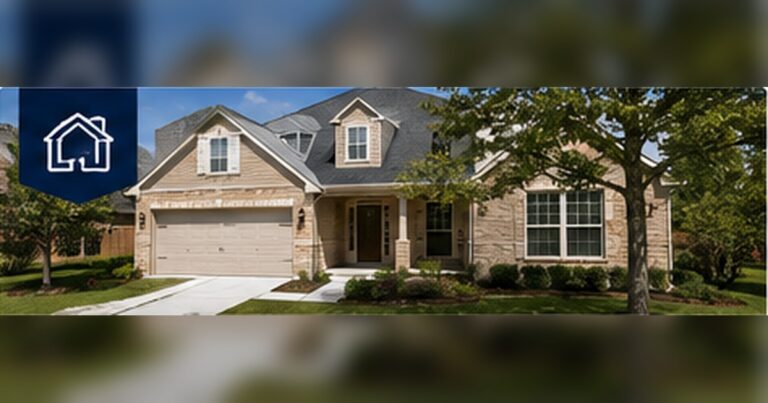

The “right” Dallas–Fort Worth neighborhood is not the same for every buyer. A community that works well for one household may not fit another buyer’s commute, budget, maintenance preferences, school needs, or long-term plans.
Instead of relying on a generic list of the best neighborhoods, use a repeatable process to compare locations based on the way you actually expect to live.
Start with the parts of DFW you need to reach
Identify the places you will travel most often: employment, family, school, childcare, medical care, airports, recreation, or other regular destinations. Test likely routes during the times you would normally drive rather than relying only on a map estimate.
DFW travel patterns can vary significantly by highway access, construction, toll roads, and time of day.
Set a complete housing budget by location
Two similarly priced homes can have different monthly costs. Compare estimated property taxes, homeowners insurance, homeowners association dues, utilities, commuting expenses, and likely maintenance—not only the purchase price.
Ask your lender to help estimate payments for actual properties because taxes and insurance can vary by city, county, district, and home.
Decide what type and age of home you prefer
DFW offers older established neighborhoods, newer subdivisions, townhomes, condominiums, large-lot properties, and master-planned communities. Each option can involve different tradeoffs.
- Older homes: mature trees and established locations, but possibly older systems or more renovation needs.
- Newer homes: modern layouts and newer components, but possible construction activity, smaller lots, or association requirements.
- Townhomes and condominiums: potentially lower exterior-maintenance responsibilities, with association dues and restrictions to evaluate.
- Large-lot homes: more outdoor space, with additional landscaping and maintenance responsibilities.
Research schools independently
School boundaries, programs, enrollment rules, and ratings can change. Verify information directly with the school district and other sources important to your household. Do not assume that a mailing address, city name, or nearby campus guarantees a particular school assignment.
Review homeowners association rules and neighborhood restrictions
Before purchasing in a mandatory association, review dues, assessments, architectural controls, parking rules, rental restrictions, maintenance responsibilities, and other governing documents. Consider how the rules fit your current plans and possible future use of the property.
Visit at different times
Tour the neighborhood during weekdays, evenings, and weekends when possible. Observe traffic, parking, lighting, noise, nearby uses, construction, property upkeep, and general activity. Drive the surrounding streets rather than evaluating only the block where the home is located.
Look beyond cosmetic appeal
Consider drainage, topography, nearby creeks or flood information, major roads, commercial uses, power lines, rail lines, airport patterns, future development, and access to emergency services. Your insurance agent, inspector, surveyor, title company, municipality, and other specialists can help with different parts of due diligence.
Think about resale before you buy
Your plans may change. Consider whether the home’s location, layout, parking, lot, condition, and price point are likely to appeal to future buyers. No one can guarantee future value, but broadly usable features may provide more flexibility.
Compare neighborhoods with real listings
Reviewing current homes helps you understand what different budgets buy in each location. Save several searches, compare property taxes and conditions, and tour a range of homes before narrowing your focus.
Search DFW homes through Direct Realty’s MLS page or review our home-buying process.
Get local guidance without relying on a generic ranking
Direct Realty can help you compare communities, property types, current listings, and transaction considerations based on your stated needs.
Talk With a Direct Realty Buyer Agent
Buyers should independently investigate schools, taxes, insurance, associations, restrictions, crime information, environmental conditions, future development, and any other issue important to their decision.